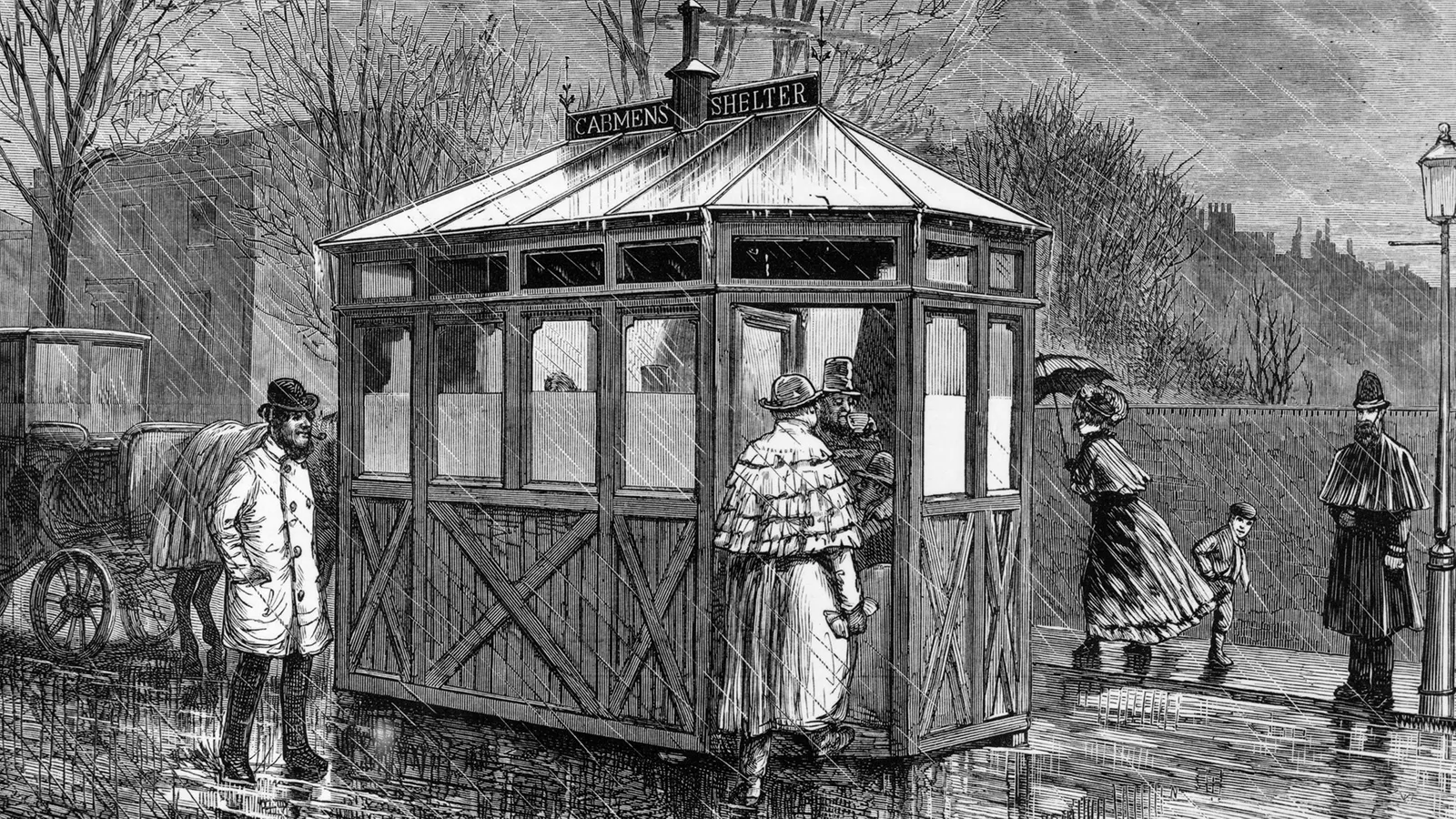
 *OBuilt in the late 19th and early 20th Centuries, the green huts provided shelter for the city's hackney-carriage drivers (Credit: Edward Gooch/Getty Images)*
In the relentless pulse of city life, there exists a hidden network of sanctuaries—spaces that shelter those who keep our urban worlds turning. These havens aren’t marked on tourist maps or featured in glossy magazines. They’re known only to those who need them most: the invisible workforce that powers our cities.
The Victorian Solution to Urban Solitude
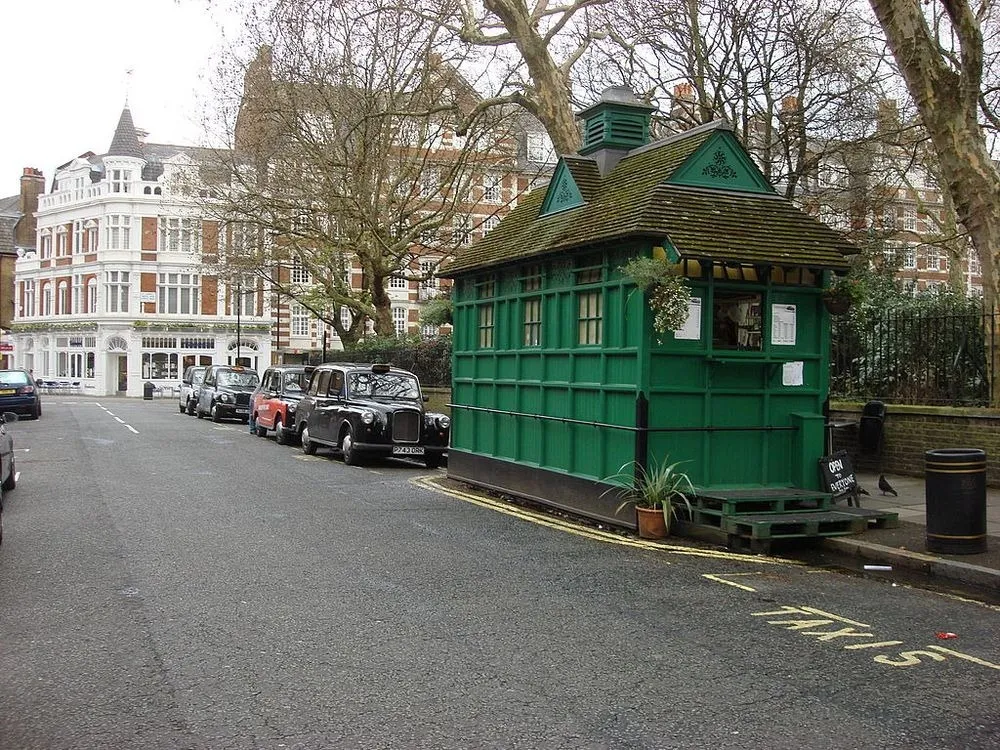 *The Cabmen's Shelter Fund established these green wooden sanctuaries across London in 1875*
The story begins in 1875, during a fierce London blizzard. George Armstrong, soon-to-be editor of The Globe newspaper, found himself stranded in the storm, unable to hail a cab. The city’s hansom cab drivers had taken refuge in the only warm spaces available to them—local pubs. This moment of frustration sparked an idea that would transform the urban landscape for generations.
Armstrong, along with the Earl of Shaftesbury and other philanthropists, established the Cabmen’s Shelter Fund. Their vision went beyond mere shelter—they sought to create spaces of dignity and community for London’s cab drivers, who spent long, solitary hours navigating the city’s streets.
More Than Just Shelter
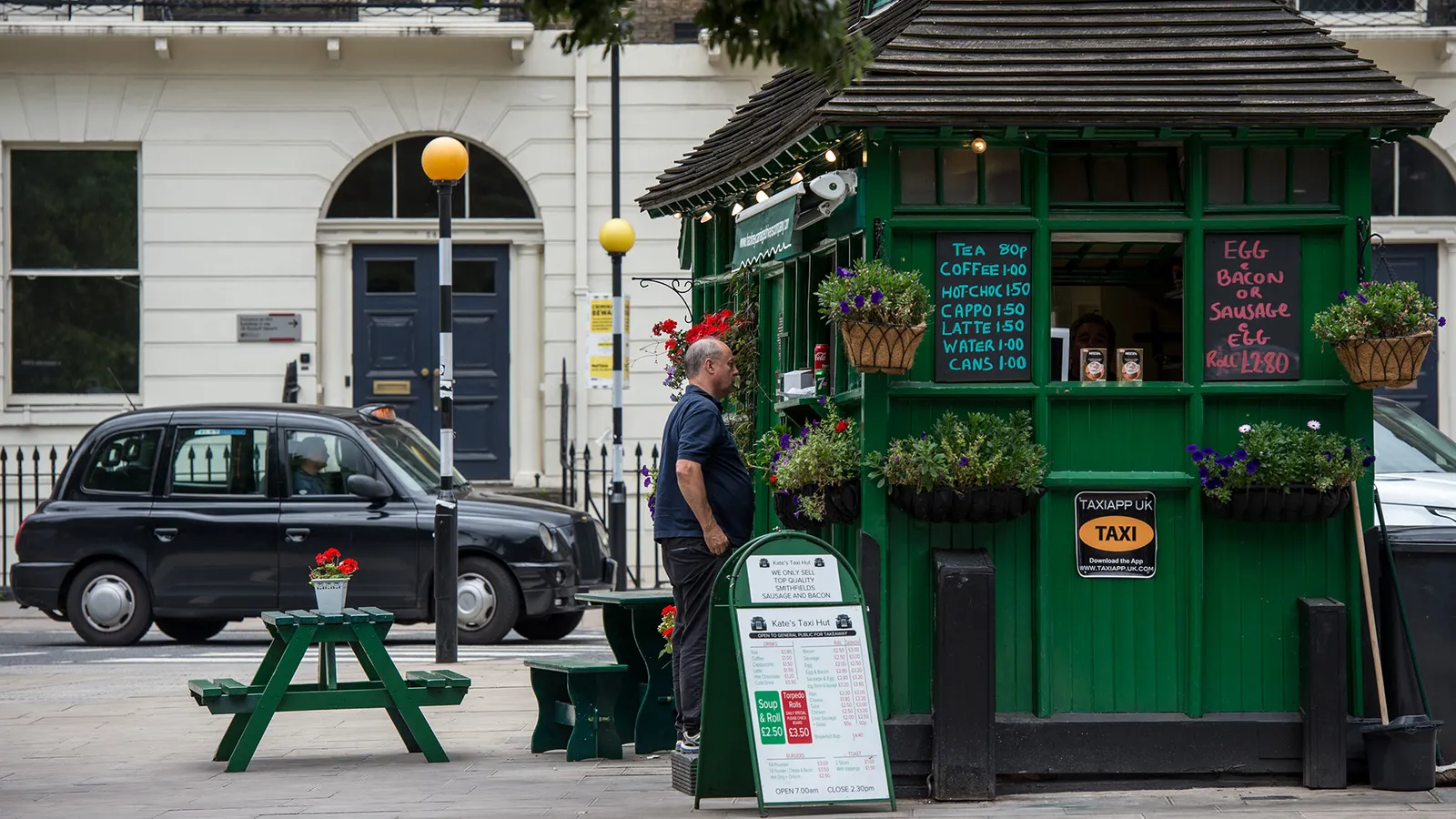 *Most cabmen's shelters serve breakfast, sandwiches and hot drinks (Credit: Chris J Ratcliff/Getty Images)*
These green wooden sanctuaries, no larger than a horse and cart (as mandated by Metropolitan Police rules), became something extraordinary. Each shelter was a self-contained world offering:
- Hot meals and beverages at reasonable prices
- Books and newspapers for mental stimulation
- Tables and benches for rest and socializing
- A kitchen serving comfort food
- Most importantly, a sense of belonging
The shelters operated under strict rules—no alcohol, gambling, or crude language allowed. They weren’t just places to escape the weather; they were spaces where dignity and community flourished.
The Hidden Language of Urban Sanctuaries
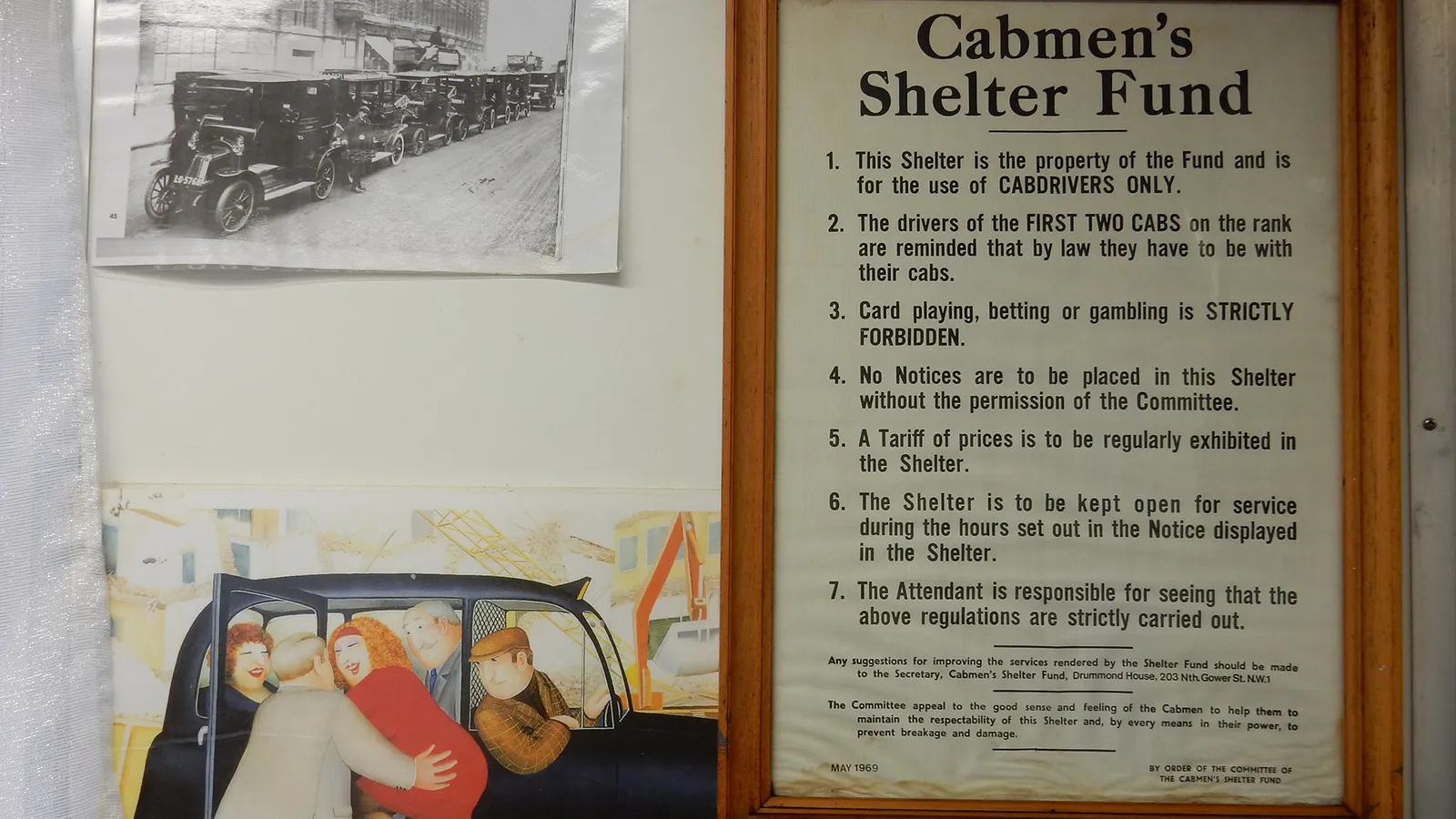 *Card playing and gambling are prohibited inside London's cabmen's shelters (Credit: Ella Buchan)*
What made these spaces truly special was their exclusivity—only those with “the knowledge” could enter. In London’s case, this meant licensed cab drivers who had mastered “The Knowledge,” the city’s legendary taxi driver qualification requiring memorization of 25,000 streets and 20,000 landmarks.
This exclusivity wasn’t about elitism; it was about creating safe spaces where workers could:
- Share stories and trade wisdom
- Find respite from the solitude of their profession
- Build meaningful connections with colleagues
- Maintain their dignity while taking necessary breaks
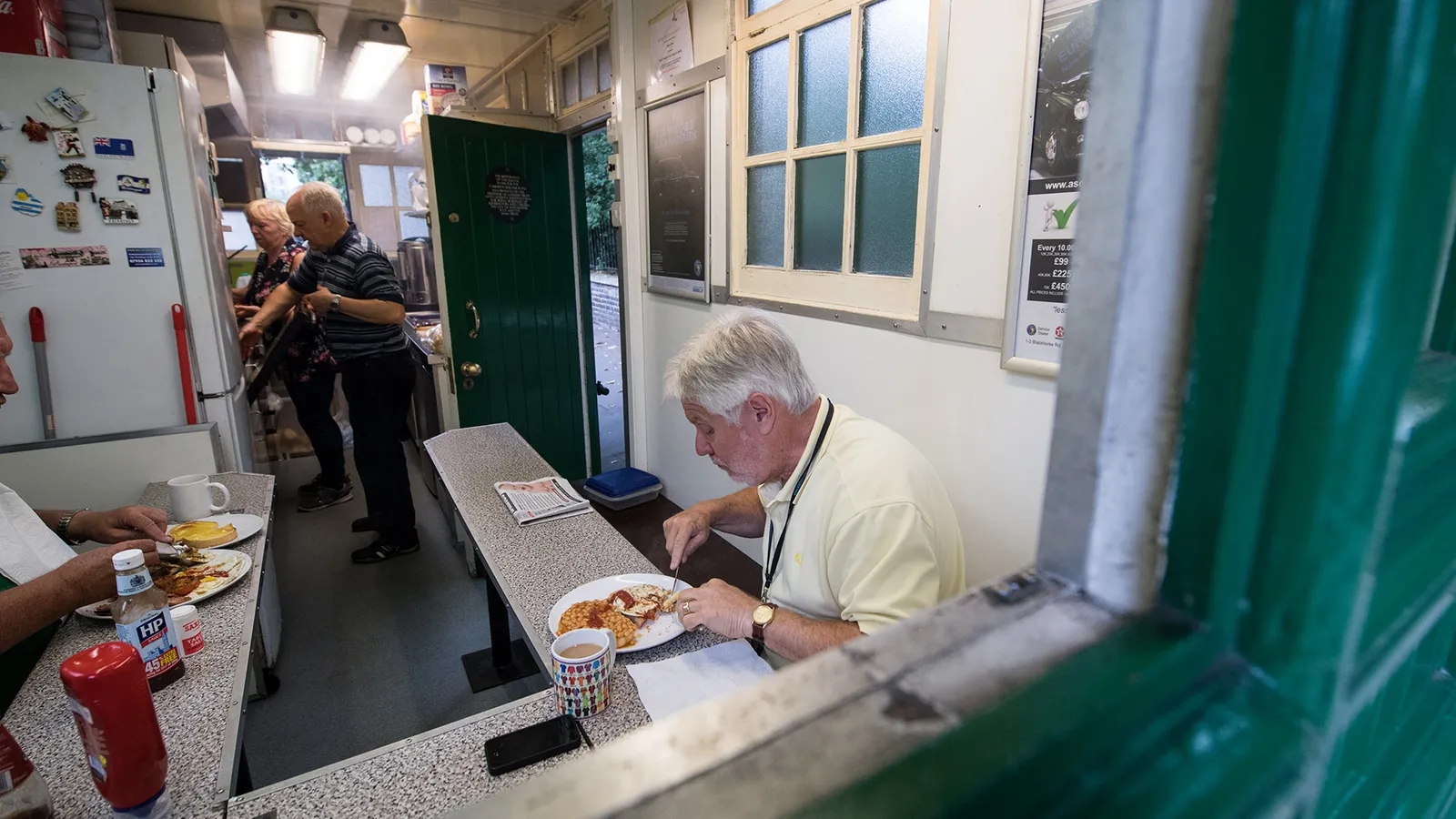 *The cabmen's shelters are no larger than a horse and cart, and only drivers are allowed in (Credit: Chris J Ratcliff/Getty Images)*
The Modern Echo: Warung Pintar
Today, this spirit lives on in unexpected places. In Indonesia, Warung Pintar (Smart Kiosk) has reimagined the concept for the digital age. These modernized street vendors combine the traditional warung (small family-owned businesses) with smart technology, creating community hubs that serve multiple purposes:
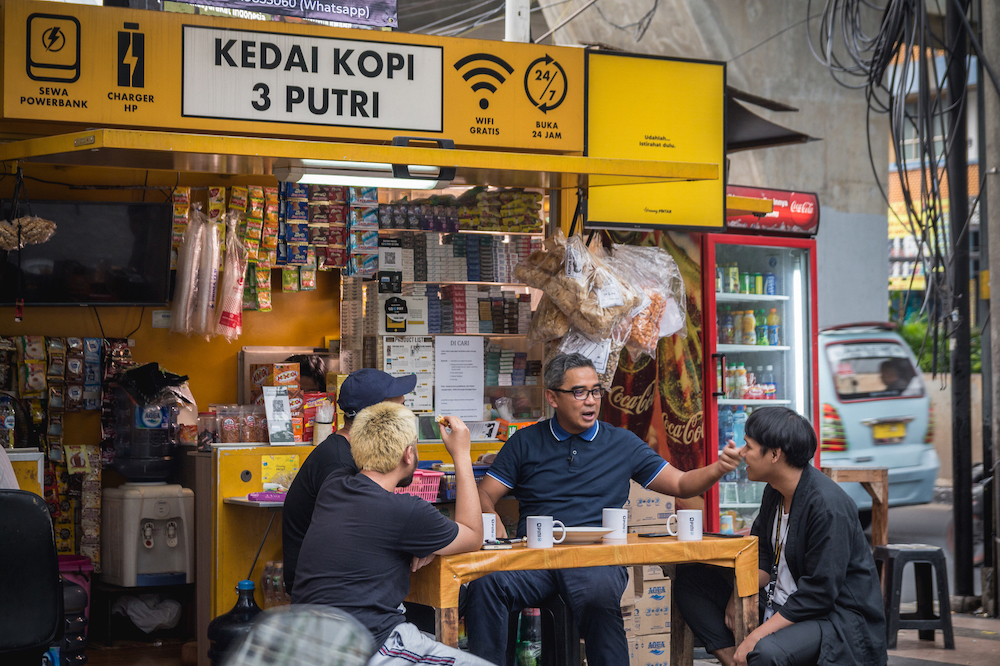 *A Warung Pintar kiosk in Jakarta, bringing traditional community spaces into the digital age*
- Digital payment integration
- Inventory management systems
- Community gathering spaces
- Micro-distribution points
- Data-driven business optimization
What makes Warung Pintar remarkable is how it preserves the soul of traditional community spaces while embracing modern efficiency. Each kiosk becomes a micro-sanctuary where:
- Local entrepreneurs can build sustainable businesses
- Community members find familiar faces and conversation
- Digital and traditional commerce coexist harmoniously
- Urban workers can take brief respites
The Invisible Thread
From Victorian London’s cabmen’s shelters to Indonesia’s smart warungs, these spaces share a common thread—they recognize that cities are more than just infrastructure and commerce. They’re complex human ecosystems that need spaces of refuge, connection, and dignity.
Fascinatingly, “The Knowledge” required of London’s cab drivers has led to groundbreaking neuroscience research. Studies have shown that taxi drivers’ brains physically adapt to store this vast navigational knowledge, developing larger hippocampuses—the brain region controlling learning and memory. This discovery is now helping scientists research early detection of Alzheimer’s disease, as the hippocampus typically shrinks during the onset of the condition. The legacy of these cab drivers extends beyond London’s streets into the frontiers of medical science.
These sanctuaries remind us that the true measure of a city isn’t its skyline or GDP, but how it cares for those who make it run. They stand as testament to a simple truth: every urban worker, whether a Victorian cabbie or a modern delivery driver, deserves a place to belong.
Sources:
- The secret green shelters that feed London’s cabbies
- Cabmen’s Shelters: Living History of London
- Sofian Hadiwijaya of Warung Pintar, Transforming traditional kiosks
- Taxi Brains: How London’s black cab drivers are helping in cutting-edge Alzheimer’s research
Note: This post is part of a series exploring hidden urban spaces and the communities they serve.